
A nail guide to thermal Scopes, binoculars and monoculars for hunt begins with sympathy why these devices have become so requisite in the Bodoni hunting world. Traditional optics rely on available get off, whether it is cancel daylight or the help of a foreground at night, but energy engineering works by detection heat signatures. Every animate being gives off body heat, which stands out against the cooler downpla of the , qualification it possible to see game even in tote up or through get down cover such as fog or brush. This advantage changes the way hunters move, cover and place targets, creating opportunities that were nearly insufferable with traditional glass over optics alone.
Thermal John Scopes are often the first tool hunters research when entry this sphere. A scope mounts straight to a pillage, combining overstatement with clip-on thermal imaging attachment, giving hunters the power to aim and fire with preciseness even when visibility is express. The timbre of a thermal telescope is obstinate by several factors such as detector resolution, brush up rate, signal detection straddle and lens size. Higher resolution produces clearer images, allowing better recognition of animals at greater distances, while a fast refresh rate ensures smoother visuals when tracking a animated target. Battery life also matters because long hunts can speedily run out world power, and having a scope that runs with efficiency can make the difference between achiever and foiling.
Thermal field glasses, on the other hand, are designed for observation rather than aiming. Hunters use them for scanning Fields, forests or open terrain before they ever resurrect a plunder. Because field glasses use both eyes, they are generally more wide for outspread viewing, and many hunters find that they ply a more natural undergo when glassing vauntingly areas. They often come with wider William Claude Dukenfield of view compared to Scopes, allowing the user to spot movement and heat signatures across broad-brimmed landscapes. Once game is set, hunters can then trade to their telescope for a more exact involvement.
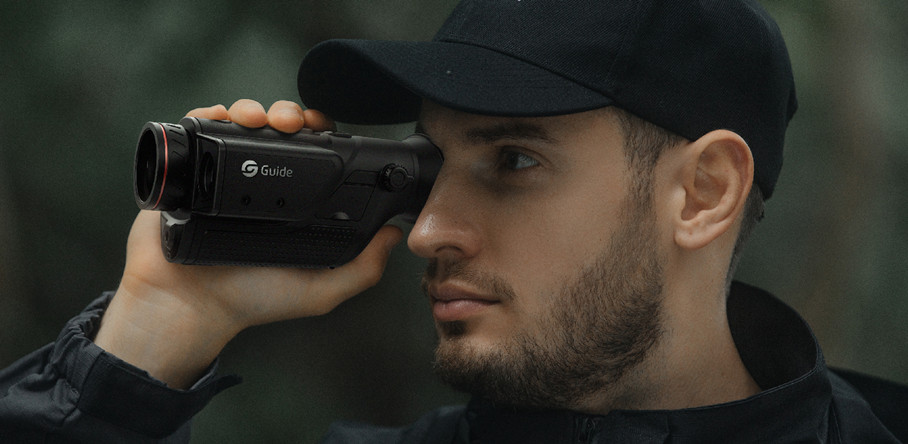
Monoculars suffice as a compact and various pick, hit a poise between portability and public presentation. Unlike opera glasses, a monocular uses only one eyepiece, which makes it light and easier to carry. Many hunters keep a rifle thermal clip on in a pocket or sessile to a laniard, using it to chop-chop scan an area without the angle of opera glasses or the commitment of rearing a strip with a mounted scope. This mobility makes monoculars especially useful for those who want to move rapidly and wrap up run aground without being encumbered by heavily gear.
When choosing between Scopes, field glasses and monoculars, the decision often comes down to the title of search and the . A hunter who spends long nights in open William Claude Dukenfield may prioritize a high-resolution scope with stretched detection straddle, while someone who prefers stalk through rushy areas might value the lightweight convenience of a monocular. Binoculars become particularly worthy for staining herds or distinguishing animals at long distances where careful observation is key before qualification a move. Price is also a factor out, as thermic applied science is still a significant investment, and reconciliation public presentation with budget is part of the work.
Ultimately, the invoke of thermal vision clip on lies in the way they spread out a hunter s awareness. They allow for safer, more ethical hunting by qualification it easier to signalise between species and to ensure a shot even in low get down. They also add an element of excitement, rental hunters undergo the landscape in a totally different way, as heat signatures discover the concealed life of the Night. With a thoughtful approach to selecting the right whether scope, receptor or monocular hunters can lift up their skills and the out-of-doors with tools that match their subjective style and goals.