
Eid is a special occasion when girls love to dress beautifully and celebrate with their families. Choosing the right outfit is an important part of preparing for the festival. From traditional dresses to modern styles, there are many ways to create an attractive Eid look. One design element that has remained popular for generations is embroidery. It adds beauty, texture, and elegance to clothing without requiring complicated styling.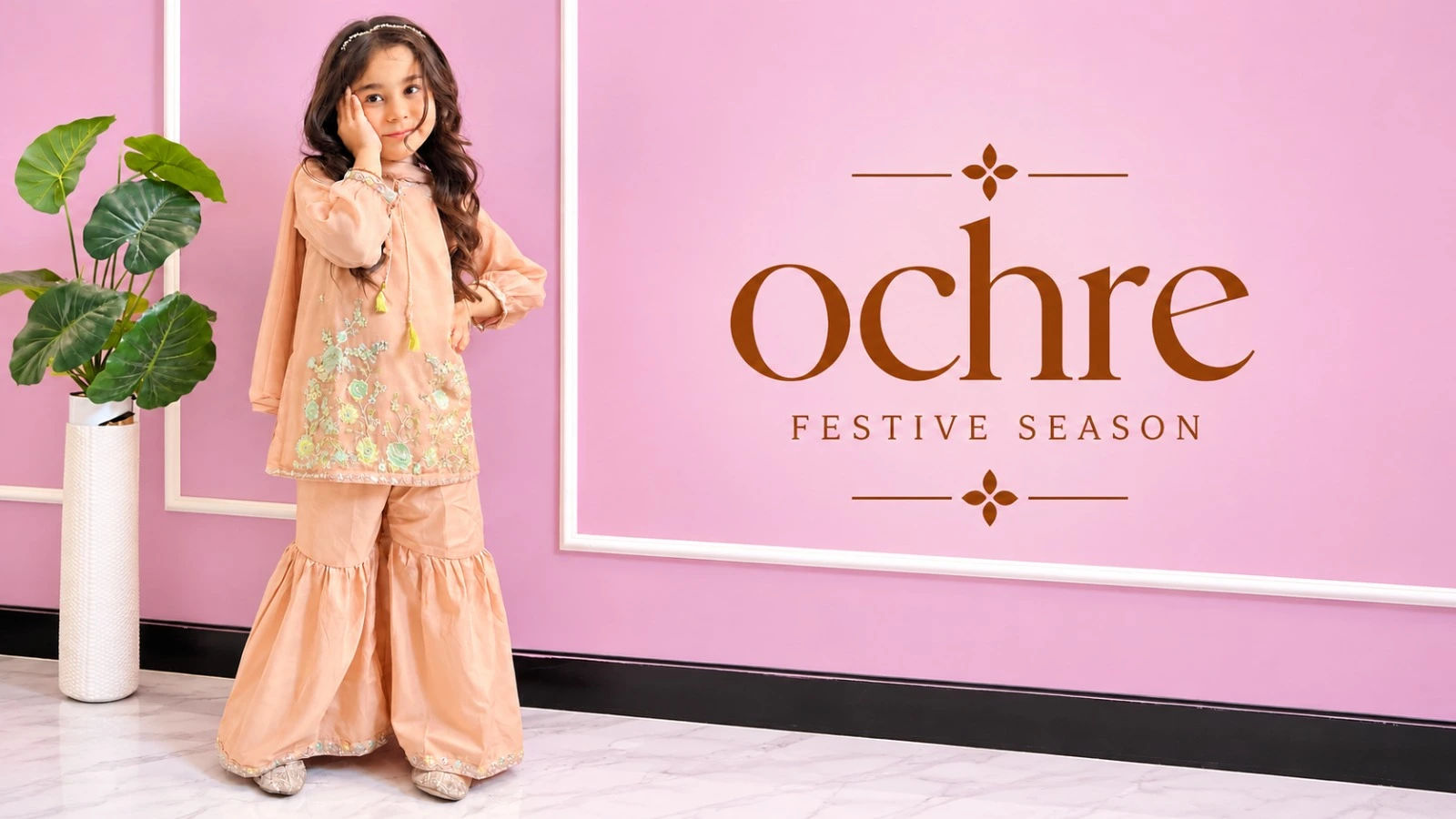
Embroidery can transform a simple dress into something special. Whether it is delicate threadwork, colourful floral patterns, or detailed hand embroidery, the right decoration can make an outfit look festive and graceful. Girls can choose different embroidery styles depending on their age, personal taste, and the type of Eid celebration they are attending. Modern fashion trends, including eid dress design 2026, also show how traditional embroidery can be combined with contemporary cuts, colours, and fabrics.
Although the question focuses on Eid special dresses from 2023, embroidery remains a timeless choice that continues to influence current fashion. It can be used on shirts, sleeves, necklines, dupattas, trousers, and even borders. The key is choosing the right amount of decoration so the outfit looks balanced, comfortable, and suitable for the occasion.
This comprehensive guide explains how embroidery can be used in girls' Eid dresses, which styles work best, how to select suitable fabrics, and how to create beautiful traditional and modern outfits.
Why Is Embroidery a Good Choice for Girls' Eid Dresses?
Embroidery is one of the most attractive ways to decorate traditional clothing. It gives an outfit a distinctive appearance and makes even a simple design look more festive.
For girls, embroidered Eid dresses offer several advantages.
Adds Beauty and Elegance
Embroidery creates decorative details that make clothing look more sophisticated. Small floral patterns, delicate threadwork, and carefully designed motifs can improve the overall appearance of a dress.
For example, a plain white dress with colourful embroidery around the neckline can look more attractive than an outfit with too many decorative elements.
Similarly, a simple pastel-coloured shirt with embroidered sleeves can create an elegant appearance without making the dress feel overly formal.
Makes Traditional Dresses More Special
eid special dress 2023 for girl are closely connected with traditional clothing in many South Asian families. Embroidery complements cultural outfits such as shalwar kameez, frocks, Anarkali dresses, and ghararas.
Traditional embroidery techniques can preserve cultural beauty while allowing girls to enjoy modern fashion.
This combination makes embroidered outfits suitable for family gatherings, Eid prayers, festive lunches, and evening celebrations.
Offers Different Design Possibilities
Another advantage of embroidery is its versatility. It can be used in several ways, depending on the desired appearance.
Some popular options include:
-
Floral embroidery on the front of a shirt.
-
Decorative threadwork around the neckline.
-
Embroidered borders on sleeves and trousers.
-
Traditional motifs on dupattas.
-
Small embroidered details on the hemline.
-
Colourful patterns across the entire dress.
These options make it easier to find a suitable design for different preferences and occasions.
Popular Embroidery Styles for Girls' Eid Dresses
Not every embroidery style creates the same appearance. Some designs are simple and delicate, while others are colourful and heavily decorated.
Understanding different embroidery techniques can help girls choose an outfit that matches their personal style.
Floral Embroidery
Floral embroidery is among the most popular choices for festive clothing. Flowers, leaves, vines, and small botanical patterns create a soft and graceful appearance.
This style works particularly well on pastel-coloured dresses.
Popular colour combinations include:
-
Pink embroidery on white fabric.
-
Yellow flowers on light blue fabric.
-
Green threadwork on cream dresses.
-
Multicoloured flowers on pastel pink outfits.
-
White floral embroidery on lavender fabric.
Floral patterns are suitable for girls who prefer feminine and elegant clothing.
They can also be used on casual Eid outfits because the decoration does not necessarily need to cover the entire dress.
Mirror Work Embroidery
Mirror work is another attractive option for festive dresses. Small mirrors are incorporated into decorative patterns to create a distinctive appearance.
This style is particularly suitable for colourful traditional outfits.
Mirror work can be added to the neckline, sleeves, front panels, or dupatta borders. However, it is important to select carefully finished decorations that are securely attached and comfortable against the skin.
For younger girls, smaller and lighter mirror details are generally more practical than heavy decorations.
Thread Embroidery
Thread embroidery is a versatile technique that uses coloured threads to create patterns on fabric.
It can be simple or detailed, depending on the design.
Some popular threadwork patterns include geometric shapes, floral arrangements, traditional motifs, and decorative borders.
Thread embroidery is a particularly good option for girls who want a beautiful Eid outfit without excessive shine or heavy embellishments.
Zari and Metallic Embroidery
Zari embroidery uses metallic-looking threads to create decorative patterns. Gold and silver details are especially popular in traditional festive clothing.
This embroidery can make an outfit look luxurious and suitable for evening celebrations.
It works well on darker colours such as maroon, navy blue, emerald green, and deep purple.
However, metallic threadwork should be used thoughtfully. Too much decoration can make a children's outfit uncomfortable or unnecessarily heavy.
Chikankari Embroidery
Chikankari is a traditional embroidery technique known for its delicate and detailed appearance.
It is often used on lightweight fabrics such as cotton and lawn.
White chikankari on pastel or neutral fabric creates a graceful appearance that is particularly suitable for daytime Eid celebrations.
Girls who prefer simple, elegant outfits can consider chikankari dresses with minimal accessories.
How to Choose the Right Embroidery for an Eid Dress
Selecting embroidery involves more than choosing a beautiful pattern. The decoration should match the fabric, dress design, occasion, and comfort requirements.
Consider the Age of the Girl
Age is an important factor when choosing an embroidered outfit.
Younger girls generally need lightweight clothing that allows them to move comfortably. Heavy embroidery, large embellishments, and complicated designs may make their dresses difficult to wear throughout the day.
Older girls can experiment with more detailed patterns, decorative necklines, and modern embroidery combinations.
The main objective should be creating an outfit that looks attractive without sacrificing comfort.
Match Embroidery With Fabric
Different fabrics support different embroidery techniques.
For example, cotton is suitable for everyday comfort and light embroidery. Lawn works well with delicate threadwork, while chiffon and organza can create beautiful formal designs.
Silk and velvet are often used for more elaborate festive outfits.
Before selecting a dress, consider whether the fabric can comfortably support the weight of the embroidery.
Heavy decorations on very delicate material may affect the dress's appearance and durability.
Choose Colours Carefully
Colour coordination is essential when designing an embroidered Eid dress.
The embroidery should complement the main fabric rather than compete with it.
For example, silver embroidery looks beautiful on light blue, lavender, and grey outfits. Gold embroidery works well with maroon, cream, and emerald green.
Multicoloured threadwork can add energy to plain fabrics, especially when the base colour is neutral.
A balanced colour combination creates a polished appearance.
Best Eid Dress Designs With Embroidery
There are many ways to incorporate embroidery into an Eid outfit. The following designs offer inspiration for girls who want traditional beauty with a modern appearance.
Anarkali dresses are popular because of their flowing shape and traditional appearance.
Embroidery can be added around the neckline, waist, sleeves, and lower border.
A lightly embroidered Anarkali with a flowing skirt is suitable for family gatherings and festive occasions.
Girls can choose pastel colours for daytime celebrations or deeper shades for evening events.
Embroidered Short Shirts With Trousers
Short shirts paired with straight trousers create a modern traditional look.
A beautifully embroidered neckline or front panel can become the main attraction of the outfit.
This style is particularly suitable for girls who prefer simple clothing with a contemporary touch.
The trousers can remain plain to maintain visual balance.
Embroidered Frocks
Frocks are a comfortable and attractive option for younger girls.
They can feature embroidery around the waist, neckline, sleeves, or skirt.
Small floral patterns are especially suitable because they create a cheerful appearance without making the outfit too heavy.
Lightweight fabrics can also help girls remain comfortable during long celebrations.
Embroidered Gharara and Sharara Dresses
Gharara and sharara outfits are traditional choices for festive occasions.
Embroidery can be added to the shirt, trousers, and dupatta to create a coordinated appearance.
A simple embroidered shirt paired with decorated trousers can look elegant.
Alternatively, girls can select a heavily embroidered shirt with plain trousers for a more balanced outfit.
Embroidered Maxi Dresses
Maxi dresses offer another beautiful option for Eid.
They can feature delicate embroidery around the neckline, waist, sleeves, and hemline.
A flowing maxi with subtle floral decoration is suitable for formal family gatherings.
Girls who prefer a modern appearance can combine traditional embroidery with contemporary silhouettes.
Should Eid Dresses Have Heavy or Light Embroidery?
One common question when choosing festive clothing is whether heavy embroidery looks better than light embroidery.
Both styles can work beautifully, but the best option depends on the occasion and personal preference.
Benefits of Light Embroidery
Light embroidery is practical, comfortable, and easy to style.
It allows the original fabric and colour to remain visible while adding decorative details.
Some advantages include:
-
Greater comfort during long celebrations.
-
Easier movement for younger girls.
-
Less weight on the fabric.
-
Simple coordination with accessories.
-
Better suitability for daytime events.
Light embroidery is especially useful for girls who want to wear their Eid dresses throughout the day.
Benefits of Heavy Embroidery
Heavy embroidery creates a more formal and luxurious appearance.
It is often used for evening gatherings, family dinners, and special celebrations.
Decorative zari, beads, sequins, and detailed threadwork can make an outfit stand out.
However, heavy embroidery should be selected carefully. Excessive embellishments can make a dress uncomfortable, particularly for younger children.
A good approach is to focus heavy embroidery on one section rather than decorating every part of the outfit.
How Does Eid Dress Design 2026 Influence Embroidered Fashion?
Fashion continues to evolve, but traditional embroidery remains an important part of South Asian festive clothing.
The latest styling direction associated with eid dress design 2026 combines traditional craftsmanship with modern silhouettes and practical styling.
Instead of depending entirely on heavy embellishments, many contemporary designs focus on carefully selected decorative details.
Traditional Embroidery With Modern Cuts
Modern outfits often combine classic embroidery with updated dress shapes.
For example, a traditional embroidered shirt can be paired with wide-leg trousers or a flowing skirt.
This approach creates a fashionable appearance without removing the cultural character of the outfit.
Pastel Colours and Delicate Details
Soft colours such as peach, mint green, powder blue, lavender, and blush pink remain attractive choices for festive clothing.
These colours work particularly well with white, silver, and light gold embroidery.
They create a fresh appearance suitable for daytime celebrations.
Minimalist Embroidery
Minimalist embroidery focuses on small decorative details rather than covering the entire outfit.
A few floral motifs on the sleeves or an embroidered neckline can make a simple dress look special.
This approach is practical for girls who prefer comfortable and reusable clothing.
Personalised Embroidery
Personalised embroidery allows families to create unique outfits.
Small initials, floral arrangements, or meaningful decorative patterns can make a dress feel more individual.
However, personalised designs should remain tasteful and suitable for the age of the wearer.
Which Fabrics Are Best for Embroidered Eid Dresses?
Fabric selection plays an important role in determining how an embroidered dress looks and feels.
The right material can improve the appearance of embroidery while providing comfort.
Lawn
Lawn is a popular fabric for warm-weather clothing.
It is lightweight and breathable, making it suitable for daytime Eid celebrations.
Delicate threadwork and small floral embroidery look particularly attractive on lawn dresses.
Cotton
Cotton is a comfortable choice for younger girls.
It is suitable for simple embroidery and everyday festive outfits.
Cotton dresses are generally easy to wear and can be styled with lightweight accessories.
Chiffon
Chiffon creates a soft and flowing appearance.
It is commonly used for dupattas, sleeves, and layered festive outfits.
Embroidery on chiffon should be carefully finished because the material is delicate.
Organza
Organza is popular for creating structured and decorative festive designs.
It works well for embroidered sleeves, dupattas, overlays, and dress borders.
However, organza may require a comfortable inner lining to prevent irritation.
Silk
Silk is often selected for more formal Eid outfits.
It provides a rich appearance and supports detailed embroidery.
A silk dress with carefully placed threadwork or metallic decoration can look elegant at evening events.
How to Style an Embroidered Eid Dress
The right styling can improve the overall appearance of an embroidered outfit.
However, accessories should complement the dress rather than overpower its decorative details.
Select Suitable Shoes
Comfortable footwear is important, particularly for younger girls.
Traditional khussas, simple sandals, and ballet flats can complement embroidered dresses.
The shoe colour should coordinate with the outfit.
For example, gold footwear works well with warm-toned embroidery, while silver shoes can complement cooler shades.
Choose Simple Jewellery
Embroidered clothing already contains decorative details, so jewellery should be selected carefully.
Small earrings, delicate bracelets, and lightweight necklaces are suitable choices.
For heavily embroidered outfits, minimal jewellery often creates a more balanced appearance.
Style the Hair Naturally
Hairstyles should match the overall appearance of the dress.
Girls can choose simple braids, ponytails, loose curls, or half-up hairstyles.
Decorative hair clips and small floral accessories can add a festive touch.
Coordinate the Dupatta
A dupatta can complete a traditional Eid outfit.
It may feature matching embroidery, contrasting borders, or delicate decorative motifs.
For younger girls, a lightweight dupatta is generally more comfortable than a heavily decorated one.
Common Mistakes to Avoid When Choosing Embroidered Eid Dresses
Although embroidery can make an outfit beautiful, certain mistakes can affect its appearance and practicality.
Choosing Too Much Embroidery
Decorating every section of a dress can make it look crowded.
It is better to choose one main embroidered area and keep the remaining sections relatively simple.
Ignoring Comfort
A beautiful dress is not necessarily a practical dress.
Rough threadwork, heavy embellishments, and uncomfortable linings can irritate the skin.
Always check the inside finishing and overall weight before purchasing an outfit.
Using Poor Colour Combinations
Not every embroidery colour works with every fabric shade.
Before finalising an outfit, consider how the colours complement each other under natural and artificial lighting.
Forgetting the Occasion
A heavily decorated formal dress may not be suitable for a casual daytime family gathering.
Similarly, an extremely simple outfit may not create the desired appearance at a formal evening event.
Choose embroidery according to the celebration.
Ignoring Maintenance Requirements
Some embroidered dresses require special care.
Metallic threads, sequins, and delicate fabrics may become damaged if washed incorrectly.
Always follow the garment's care instructions to maintain its appearance.
How to Maintain Embroidered Eid Dresses
Proper maintenance helps preserve the beauty and quality of embroidery.
Girls' festive dresses can often be reused for weddings, family gatherings, and other celebrations if they receive suitable care.
Here are some useful maintenance tips.
-
Read the washing instructions before cleaning the dress.
-
Use gentle cleaning methods for delicate embroidery.
-
Avoid excessive rubbing around decorative areas.
-
Store dresses in clean, dry spaces.
-
Keep heavily embroidered outfits in protective garment covers.
-
Avoid hanging very heavy dresses on weak hangers.
-
Check loose threads and embellishments before wearing the outfit.
For delicate fabrics such as chiffon, silk, and organza, professional dry cleaning may be a safer option.
Proper storage also prevents unnecessary creasing and damage.
Conclusion
Embroidery is an excellent choice for girls' Eid dresses because it adds beauty, elegance, and traditional character to festive clothing. Whether a girl prefers a simple frock, a flowing Anarkali, a modern shalwar kameez, or a traditional gharara, embroidery can make the outfit more attractive and suitable for Eid celebrations.
The most important consideration is choosing the right embroidery style. Floral patterns, mirror work, thread embroidery, zari, and chikankari each offer a different appearance. The best option depends on the fabric, colour combination, age of the wearer, and type of celebration.
Comfort should always remain a priority. Younger girls benefit from lightweight fabrics and delicate decorative details, while older girls can experiment with more elaborate patterns and contemporary silhouettes. Selecting the right amount of embroidery ensures that the outfit looks beautiful without becoming unnecessarily heavy.
Modern fashion also demonstrates that traditional decoration can work perfectly with updated clothing styles. The growing interest in eid dress design 2026 highlights how classic embroidery can be combined with pastel colours, minimalist details, flowing silhouettes, and modern cuts.
Girls do not need heavily decorated outfits to look beautiful on Eid. Sometimes, a simple dress with carefully placed embroidery, comfortable shoes, and matching accessories creates the most elegant appearance.
Ultimately, the best embroidered Eid dress is one that reflects personal style, respects traditional fashion, and provides comfort throughout the celebration. With thoughtful fabric selection, balanced decoration, and suitable styling, embroidery can turn an ordinary outfit into a memorable festive dress.